Understand the Product. Not the Sales Pitch.
Catheter products can be confusing — and there are a lot of them. We’re here to explain what they are, what they do and how they’re used, without promoting one brand over another.
No brands. No bias. No sales gimmicks. Just clear, independent information to help you understand your catheter care.
Understanding Catheter Products & Equipment
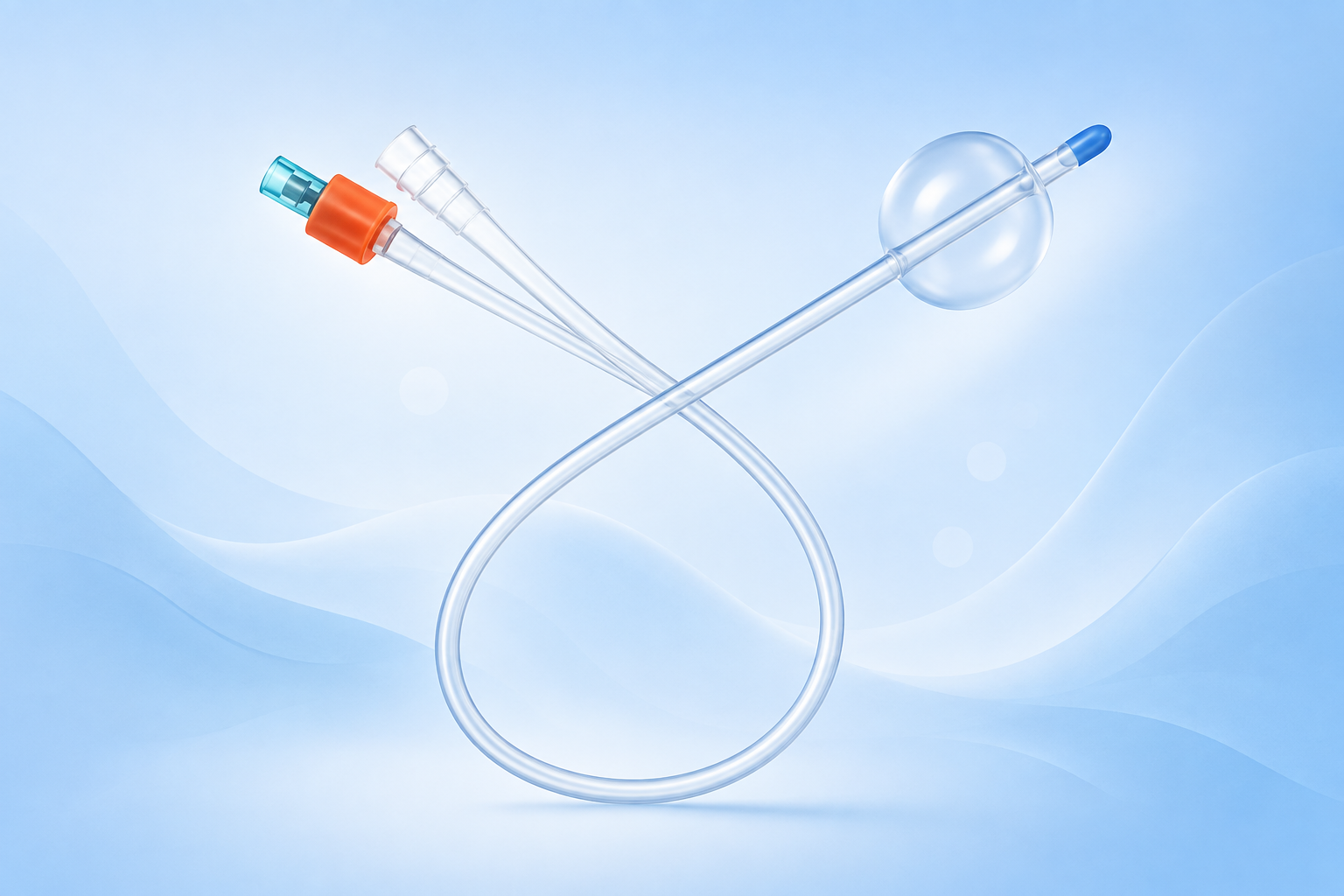
Indwelling Urinary Catheter (IDC / Foley Catheter)
An indwelling urinary catheter is a soft, flexible tube inserted through the urethra and into the bladder to allow urine to drain continuously.
Once correctly positioned, a small balloon near the tip is gently inflated with sterile water. This balloon sits inside the bladder and helps keep the catheter securely in place.
The catheter has separate channels, known as lumens. One allows urine to drain from the bladder, while another is used to inflate and deflate the retention balloon. Some catheters have an additional lumen for specialised clinical purposes.
The catheter can be connected to a leg bag or larger drainage bag, or in some circumstances used with a catheter valve, depending on the person's individual bladder-management plan.
Indwelling catheters are available in different sizes, lengths and materials. The appropriate catheter should be selected by a suitably qualified healthcare professional based on the person's individual clinical needs.
Good to know: An indwelling catheter is designed to remain in the bladder for a period of time. It is different from an intermittent catheter, which is inserted to empty the bladder and then removed.
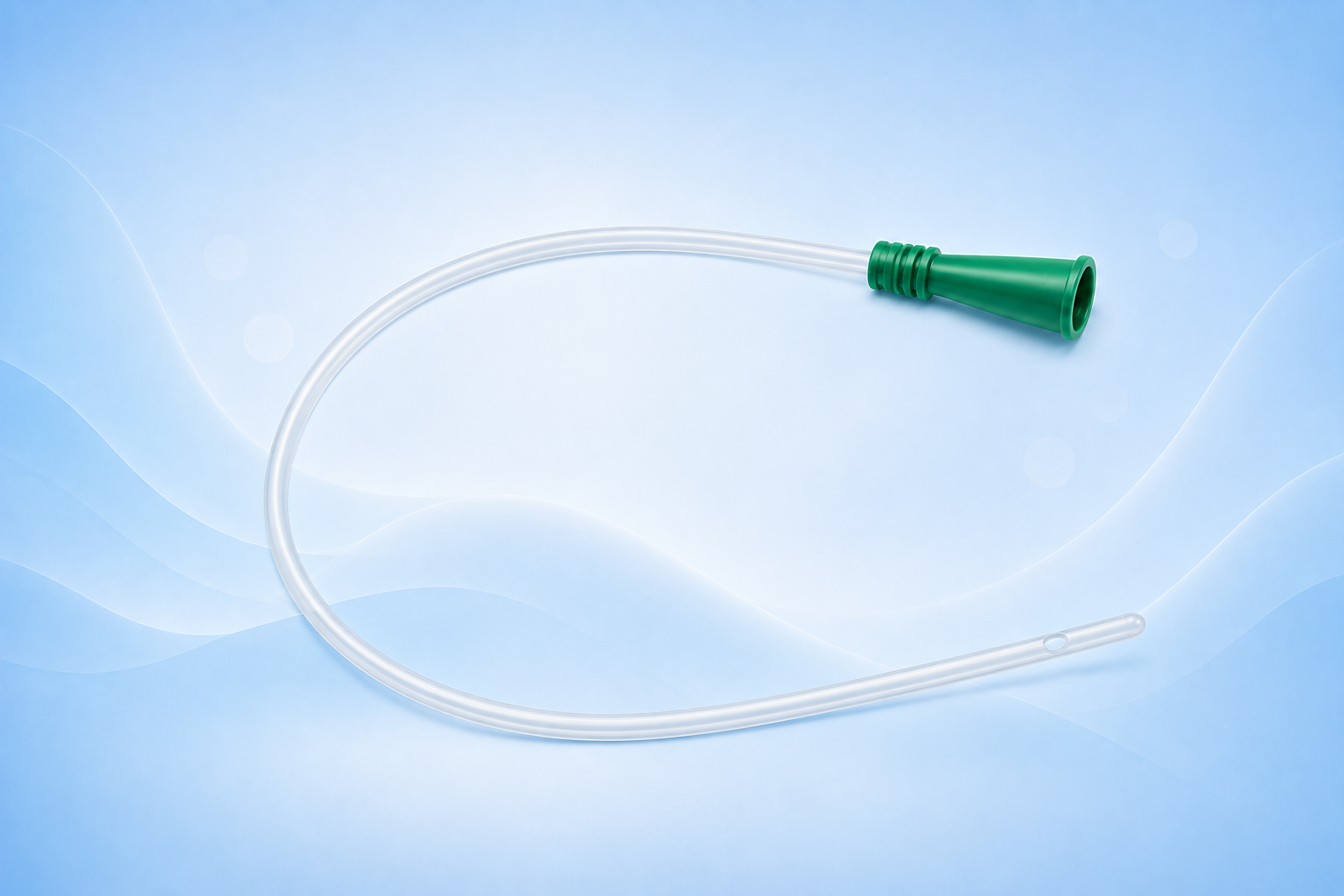
Uncoated Intermittent Catheter (Nelaton Catheter)
An uncoated intermittent catheter is a soft, flexible, single-use tube used to temporarily empty urine from the bladder.
Unlike a hydrophilic catheter, an uncoated catheter does not have a water-activated lubricating coating. A separate lubricating gel is generally used to help the catheter pass comfortably through the urethra.
The catheter is gently inserted into the bladder, urine is allowed to drain, and the catheter is then removed. It does not remain inside the bladder and does not have a retention balloon.
Uncoated intermittent catheters are available in different lengths, sizes and tip designs to suit individual needs.
Good to know:
An intermittent catheter is very different from an indwelling catheter. It is inserted only long enough to empty the bladder and is then removed.
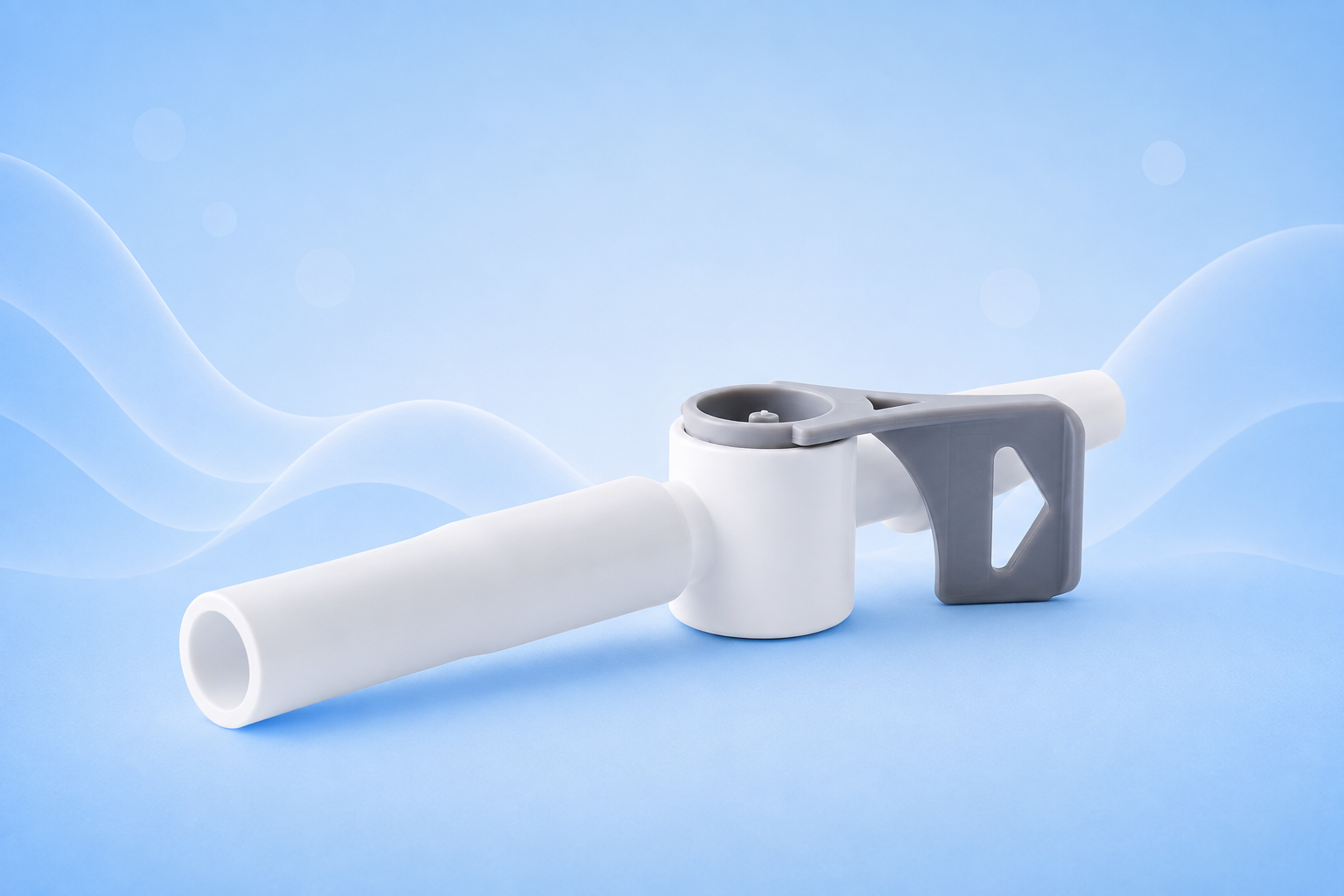
Catheter Valve
A catheter valve is a small tap-like device that connects directly to an indwelling urethral or suprapubic catheter. Instead of urine continuously draining into a bag, the valve keeps the catheter closed so urine can collect in the bladder.
At regular intervals, the valve is opened over a toilet or suitable container, allowing the bladder to empty through the catheter. The valve is then closed again.
For some people, a catheter valve can provide greater freedom and discretion, as there may be no need to wear a leg bag during the day. Some people use a valve during the day and connect to an overnight drainage bag while sleeping.
Catheter valves are not suitable for everyone. Whether a valve is appropriate depends on factors such as bladder function, bladder capacity, sensation, kidney function and the reason the catheter is required. A healthcare professional should assess suitability before a catheter valve is used.
Good to know: A catheter valve isn't simply a plug for the catheter. It forms part of an individual bladder-management plan and needs to be opened regularly according to the advice provided by your healthcare professional.
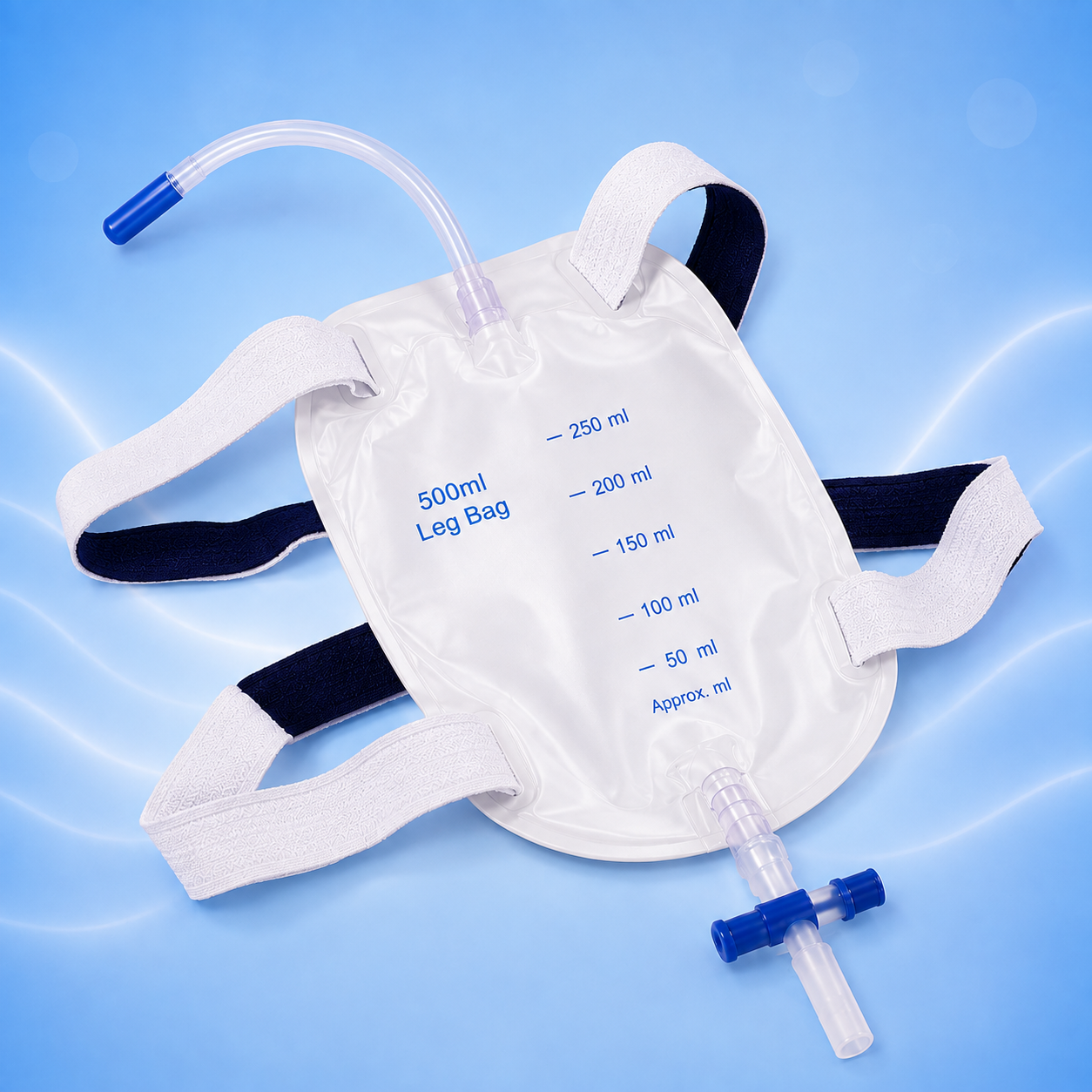
Urinary Leg Bag Straps
Urinary leg bag straps are adjustable straps designed to support a urine drainage bag securely against the leg.
Typically worn around the thigh or lower leg, the straps attach to the drainage bag and help keep it comfortably positioned during everyday movement. They also help prevent the bag from swinging, slipping or placing unnecessary tension on the catheter and connecting tubing.
Leg bag straps are available in different widths, materials and fastening styles. Some have soft or non-slip surfaces designed to improve comfort and help keep the bag in position.
The straps should be firm enough to support the bag as it fills, but should not be excessively tight or restrict circulation.
Good to know: Leg bag straps are designed primarily to support the drainage bag. They are different from catheter securement devices or catheter leg straps, which are used to help reduce movement and traction on the catheter itself.
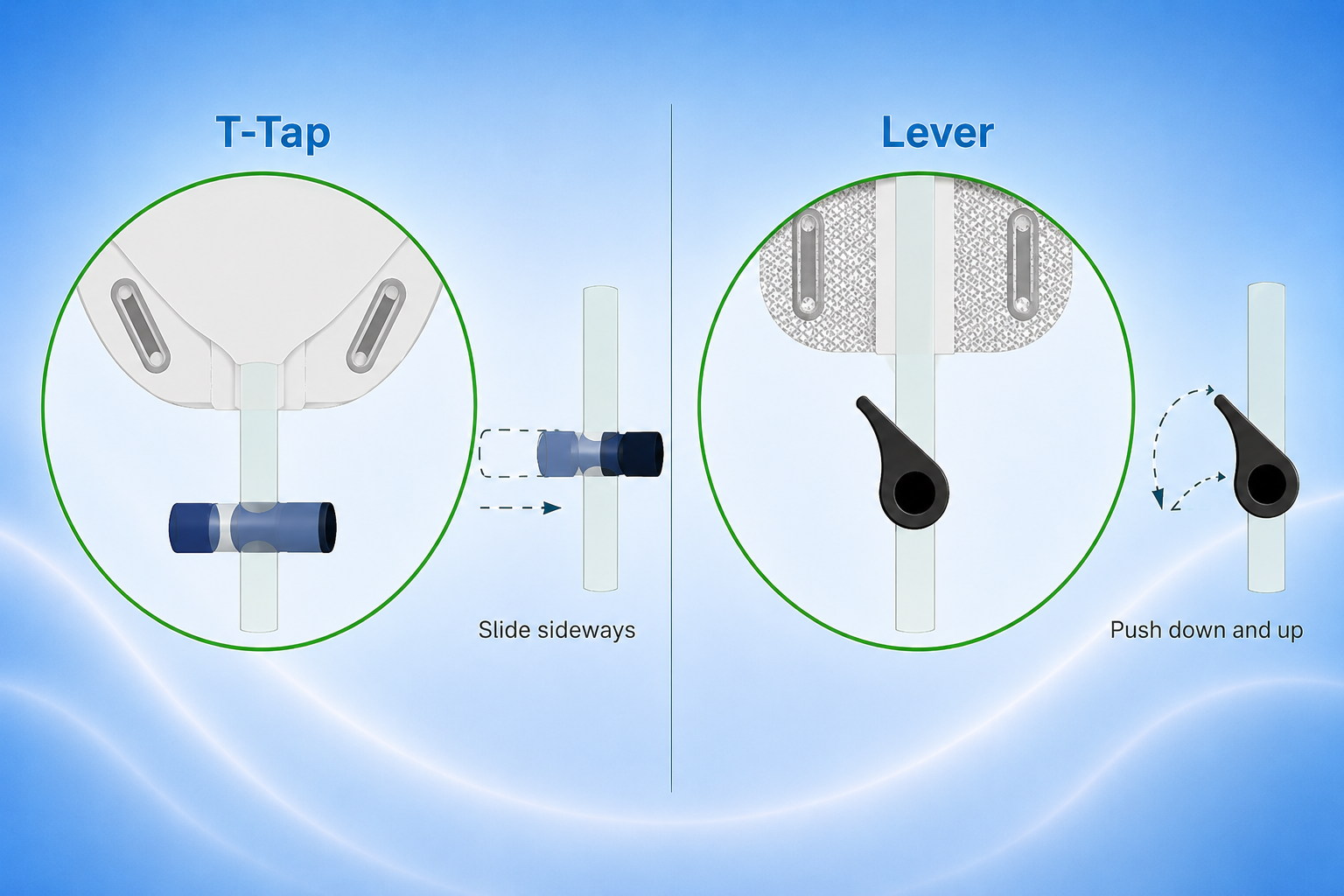
Choosing the Right Leg Bag Tap
The tap on a urinary leg bag might seem like a small detail, but it can make a big difference to how easily and confidently you can empty your bag.
A T-Tap is opened and closed using a side-to-side sliding action.
The larger horizontal shape can provide a clear surface to grip and may suit people who find a sliding movement easier than manipulating a smaller lever.
Before purchasing, consider whether you can comfortably reach the tap and move it completely between the open and closed positions.
A Lever Tap uses a lever-style mechanism that moves up and down to open and close the drainage outlet.
Some people find this style quick and simple to operate, particularly when emptying their bag independently. However, individual hand strength and dexterity can affect how easy any tap is to use.
Why does tap choice matter?
If you have reduced hand strength, arthritis, tremor, altered sensation, limited dexterity, reduced vision or difficulty reaching your leg bag, the type of tap you choose can make a significant difference.
Your clothing and where you wear your bag should also be considered. Whichever style you use, you need to be able to identify when the tap is open or closed and close it securely after emptying.
Good to know: If you're changing products, check the tap type before placing your order. Leg bags that appear very similar can have completely different drainage mechanisms. If you're unsure which one will work best for you, a Continence Specialist Nurse can assess your individual needs and help you compare suitable options.
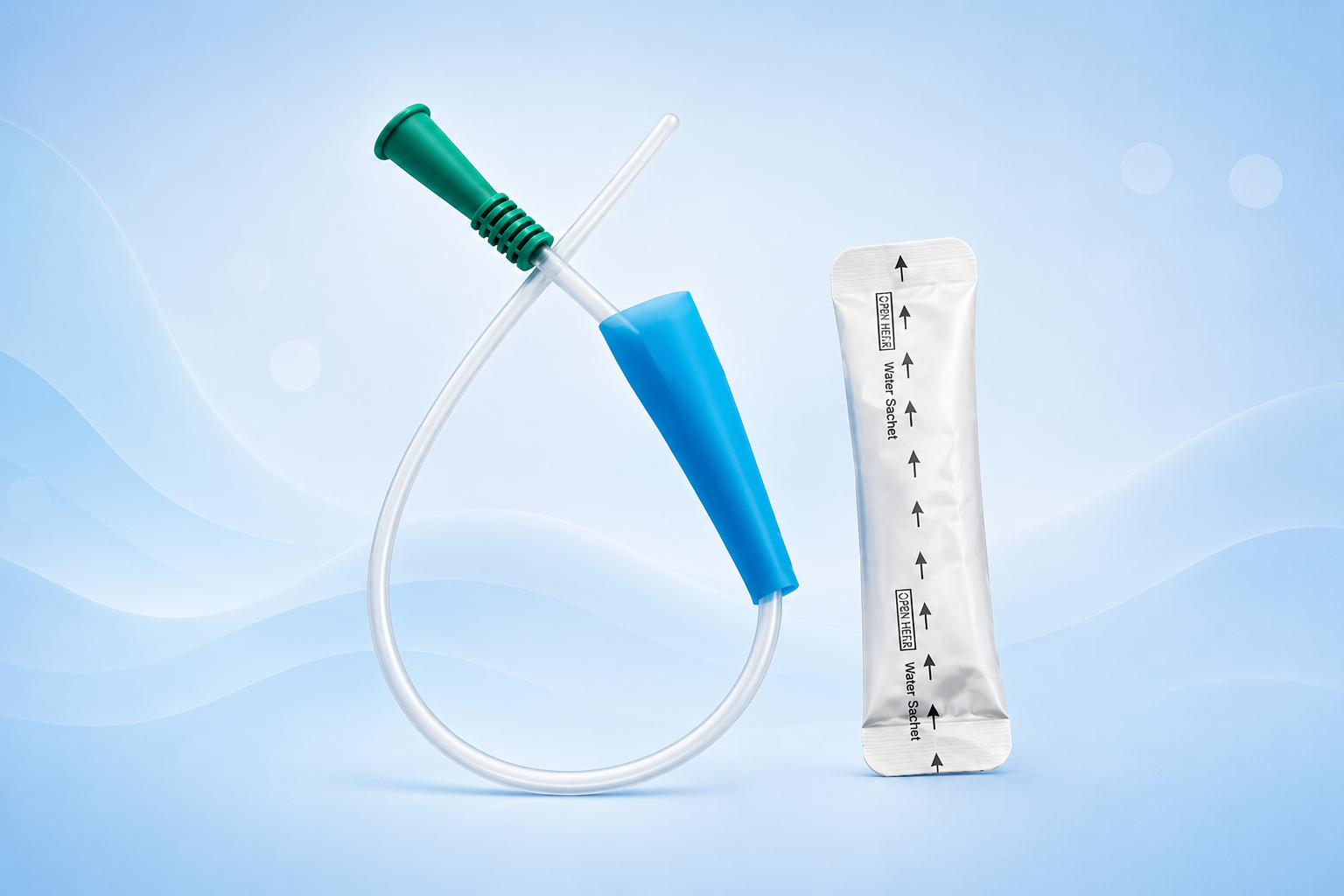
Hydrophilic Intermittent Catheter
A hydrophilic intermittent catheter is a single-use catheter designed to temporarily empty the bladder. Unlike an indwelling catheter, it is inserted when needed and removed once the bladder has emptied.
The surface of the catheter has a special hydrophilic coating which becomes smooth and slippery when activated with water. This helps reduce friction as the catheter passes through the urethra, making insertion and removal more comfortable.
Some hydrophilic catheters are supplied with an integrated sterile water sachet. The sachet is released inside the packaging to activate the coating before the catheter is used. Other types may come pre-activated and ready to use.
Hydrophilic intermittent catheters are available in different lengths, sizes, tip designs and handling systems to suit different people and individual needs.
They are commonly used as part of Clean Intermittent Self-Catheterisation (CISC) or may be inserted by a carer or healthcare professional when appropriate.
Once the bladder has been emptied, the catheter is removed and disposed of — it does not remain in the bladder.
Good to know: Hydrophilic refers to the catheter's water-activated surface coating. It is one of several types of intermittent catheter available.
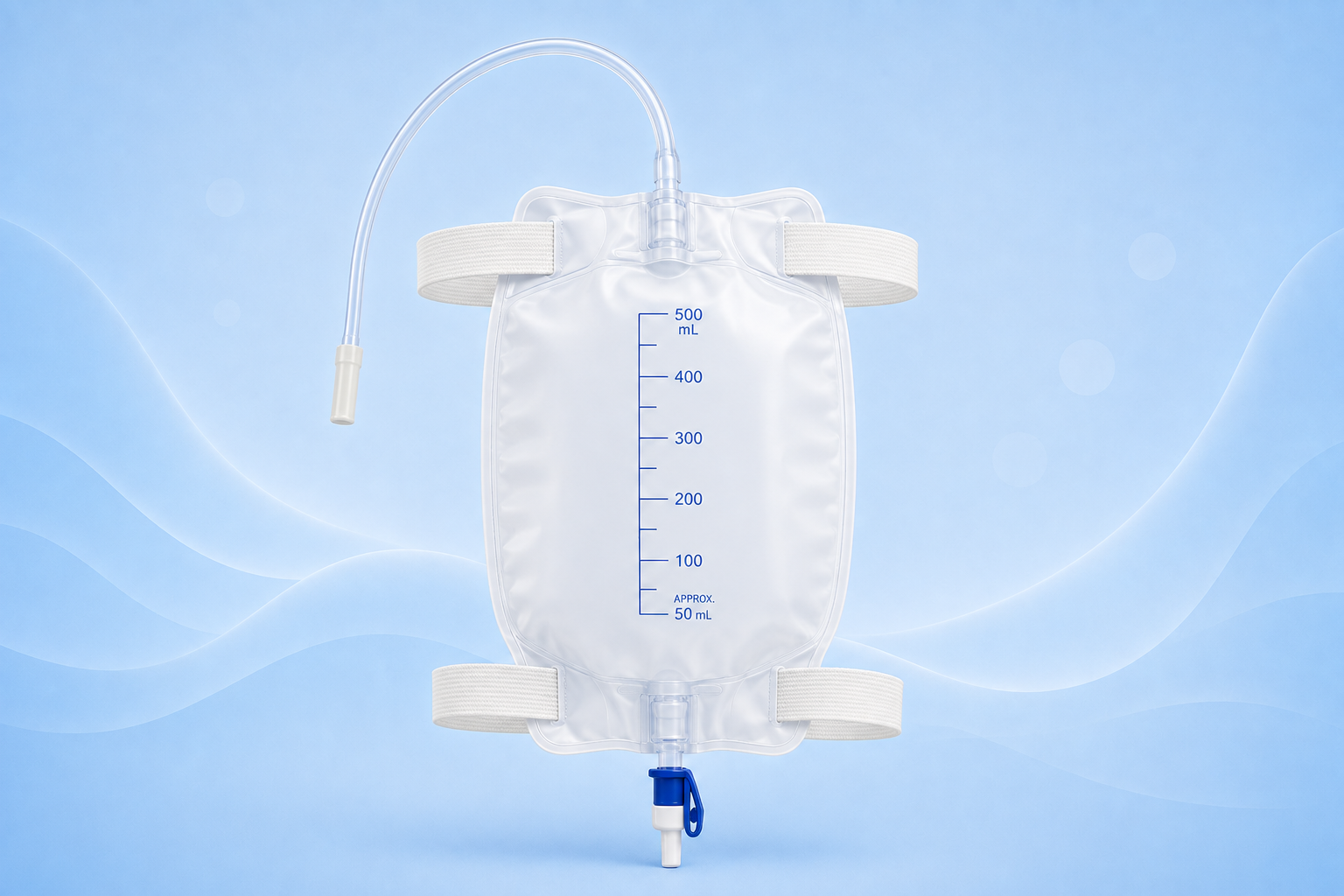
Urinary Leg Bag
A urinary leg bag is a small drainage bag used to collect urine from an indwelling urethral or suprapubic catheter. It is designed to be worn discreetly on the leg, allowing you to move around while urine drains continuously from the bladder.
Leg bags are available in different capacities, tubing lengths and drainage-tap designs. They are usually supported using leg straps or a specially designed sleeve to help keep the bag comfortable and secure.
The drainage tap at the bottom allows the bag to be emptied into a toilet or suitable container without disconnecting it from the catheter.
Good to know: The leg bag should always be positioned below the level of the bladder and supported appropriately to prevent pulling or tension on the catheter. Your healthcare professional can help you choose the size, tubing length and support option that best suits your mobility, clothing and everyday routine.
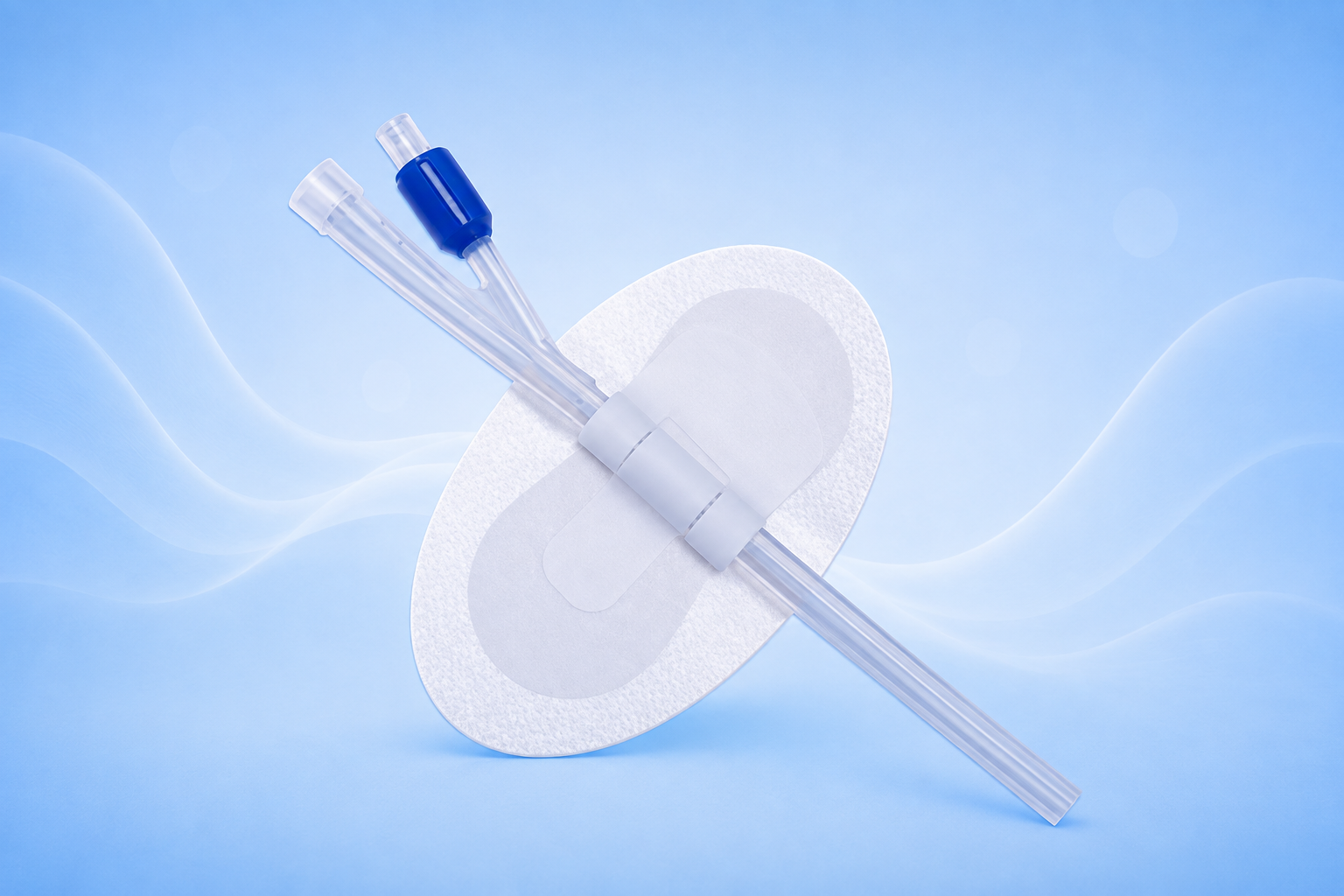
Catheter Securement Device
A catheter securement device is designed to help hold an indwelling catheter in position and reduce unnecessary movement or pulling on the catheter.
Depending on the design, the device may attach to the skin using an adhesive base or use a strap-style system around the leg. The catheter tubing is then gently secured within the device.
Appropriate securement can help reduce tugging, traction and movement at the catheter insertion site, while still allowing enough flexibility for comfortable everyday movement.
Securement devices come in a variety of designs and sizes. The most appropriate option will depend on the type of catheter, skin condition, mobility, positioning and individual needs.
Good to know: A catheter should be supported without being pulled tightly. Securement should help prevent tension on the catheter while allowing the drainage tubing to remain free from kinks or obstruction.
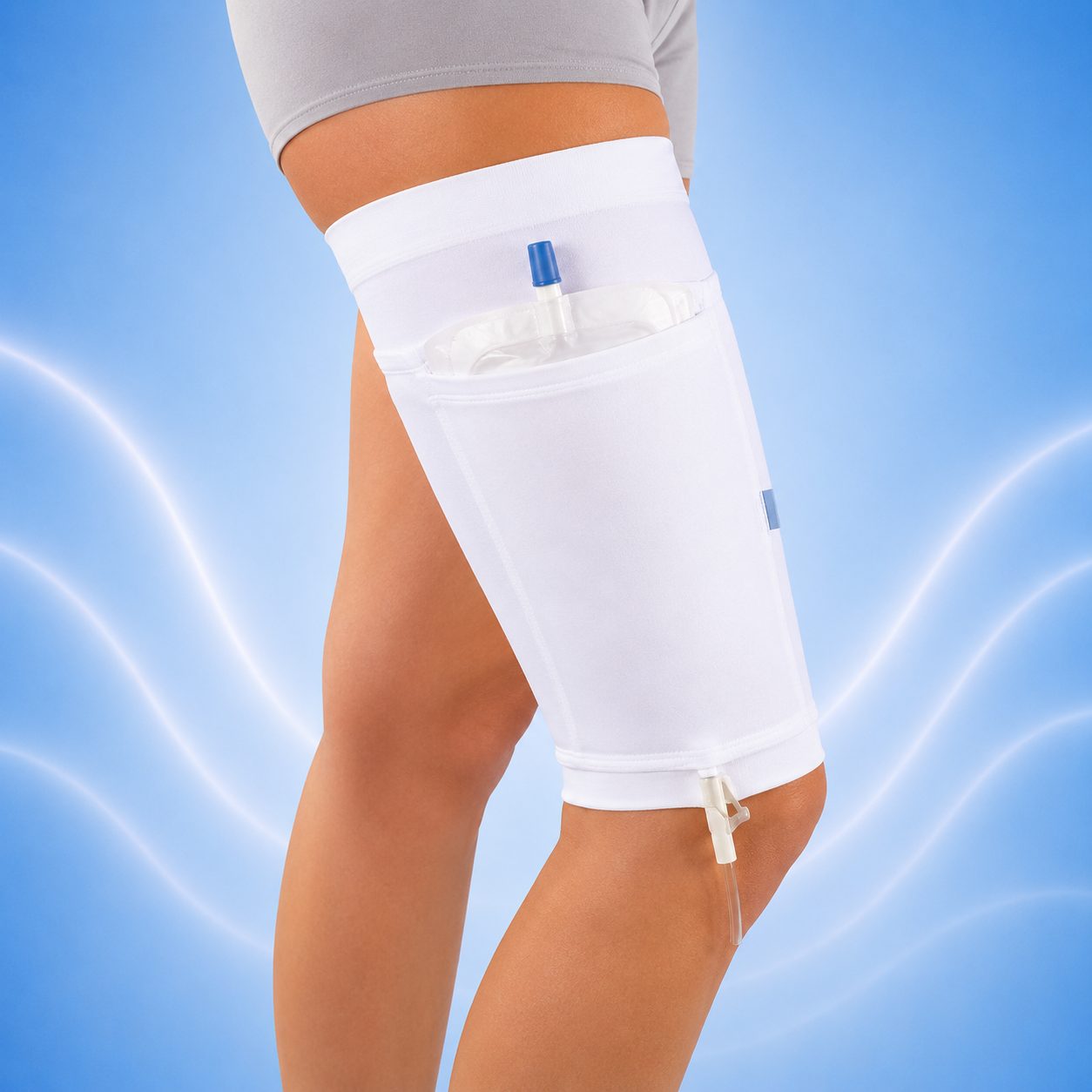
Leg Bag Sleeve
A leg bag sleeve is a soft, stretchy support garment designed to hold a urinary leg bag securely and discreetly against the leg.
The drainage bag sits inside a pocket within the sleeve, helping to support the weight of the bag as it fills and reducing excessive movement during everyday activities.
For some people, a sleeve may feel more comfortable and discreet than individual leg bag straps, particularly if straps tend to move, twist or irritate the skin.
Leg bag sleeves are available in different sizes and may be worn on the thigh or lower leg, depending on the type of drainage bag, tubing length and individual preference.
Correct sizing is important — the sleeve should comfortably support the drainage bag without being excessively tight or restricting circulation.
Good to know: A leg bag sleeve supports the drainage bag, but it does not necessarily secure the catheter itself. Separate catheter securement may still be required to prevent pulling or traction..
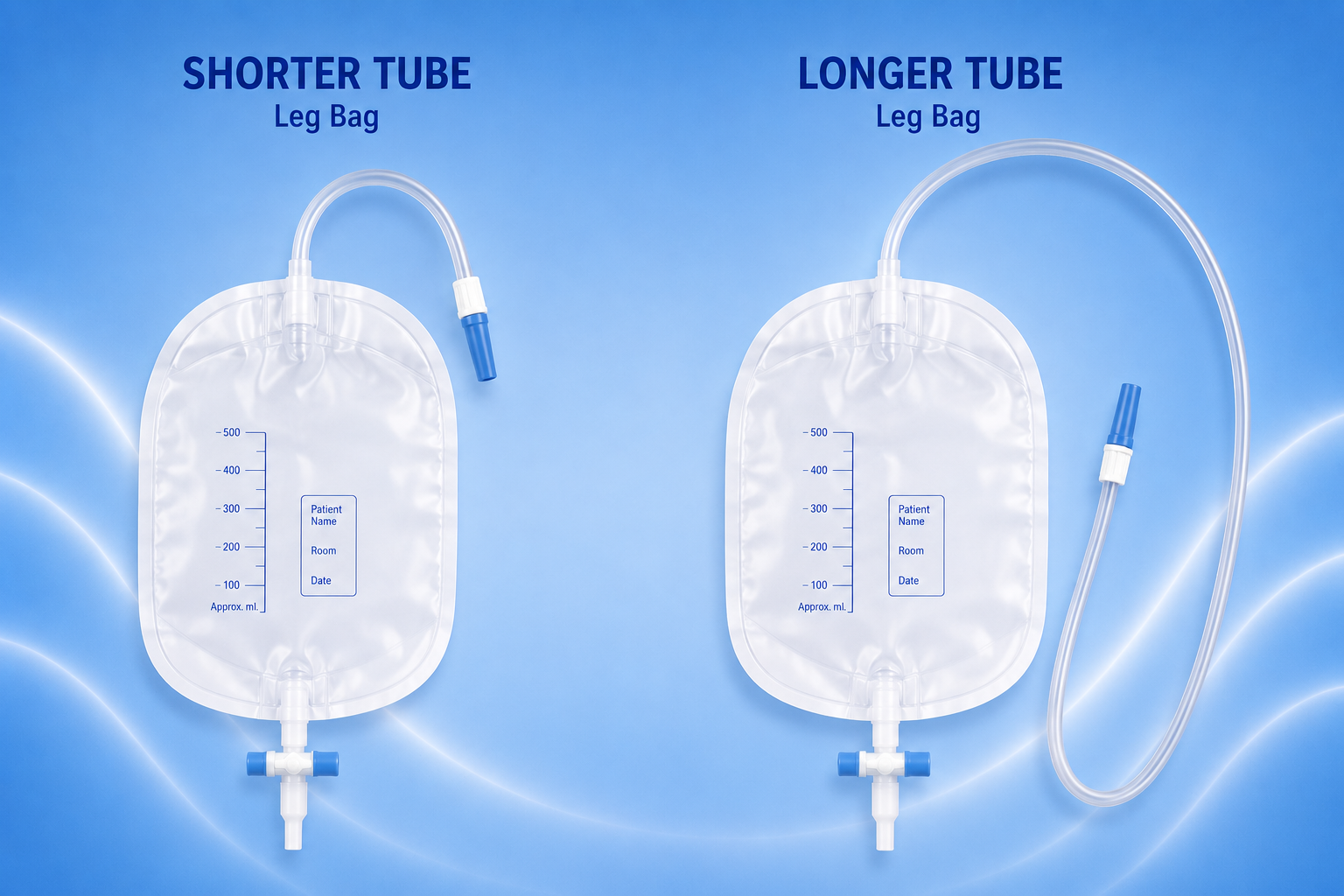
Length of Tubing – Short or Long?
Leg bags are available with different lengths of inlet tubing, and choosing the right length depends largely on where you intend to wear the bag on your leg.
Shorter tubing allows the leg bag to sit higher on the leg, while longer tubing allows the bag to be positioned further down the leg.
There is no single length that is right for everyone. Your choice may depend on your preferred bag position, comfort, clothing and how easily you can access the bag for emptying.
The leg bag is usually supported using leg straps or a leg bag sleeve/holder to help keep it securely positioned.
Connecting the Leg Bag
The protective cap at the end of the inlet tubing is removed before connecting the leg bag to your urinary drainage system.
It can be useful to keep the protective cap in a clean, safe place if the manufacturer's instructions allow for it to be replaced when the bag is disconnected. This can help protect the connector while it is not in use.
Good to know: When choosing a tubing length, the aim isn't simply short versus long, it's finding a length that allows the bag to sit comfortably without pulling, excessive loose tubing, kinking or restricting urine drainage. Small differences in tubing length can make a big difference to comfort and usability, so check before you order. If you're unsure which tubing length or bag position is most appropriate, a Continence Specialist Nurse can help you select an option suited to your catheter, mobility and everyday routine.
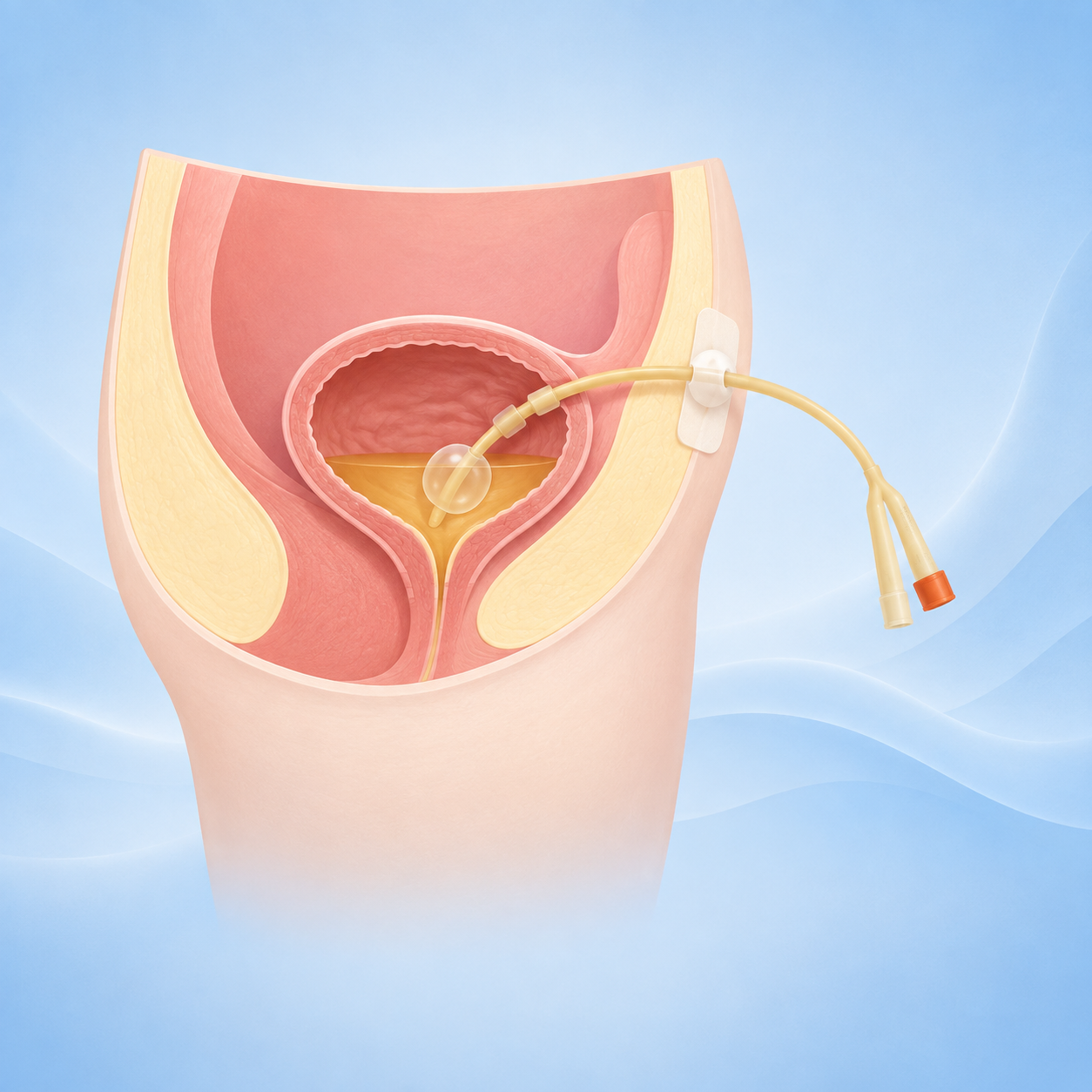
Suprapubic Catheter (SPC)
A suprapubic catheter is an indwelling urinary catheter that enters the bladder through a small opening in the lower abdomen, rather than passing through the urethra.
The opening, known as a suprapubic tract, is created by a suitably qualified medical practitioner just above the pubic area. Once the tract is established, the catheter passes through this opening directly into the bladder.
A small balloon near the tip of the catheter is inflated with sterile water inside the bladder to help keep the catheter in position. The catheter remains in place to provide continuous bladder drainage and requires routine catheter changes according to the person's individual clinical plan.
The external end of an SPC may be connected to several different products depending on the person's needs.
Suprapubic catheters themselves are available in different sizes, materials, balloon sizes and designs. The appropriate catheter and drainage system should be selected by a suitably qualified healthcare professional.
Good to know: “Suprapubic” describes where the catheter enters the bladder. The catheter still drains urine from the bladder, but it does so through the lower abdomen rather than through the urethra.
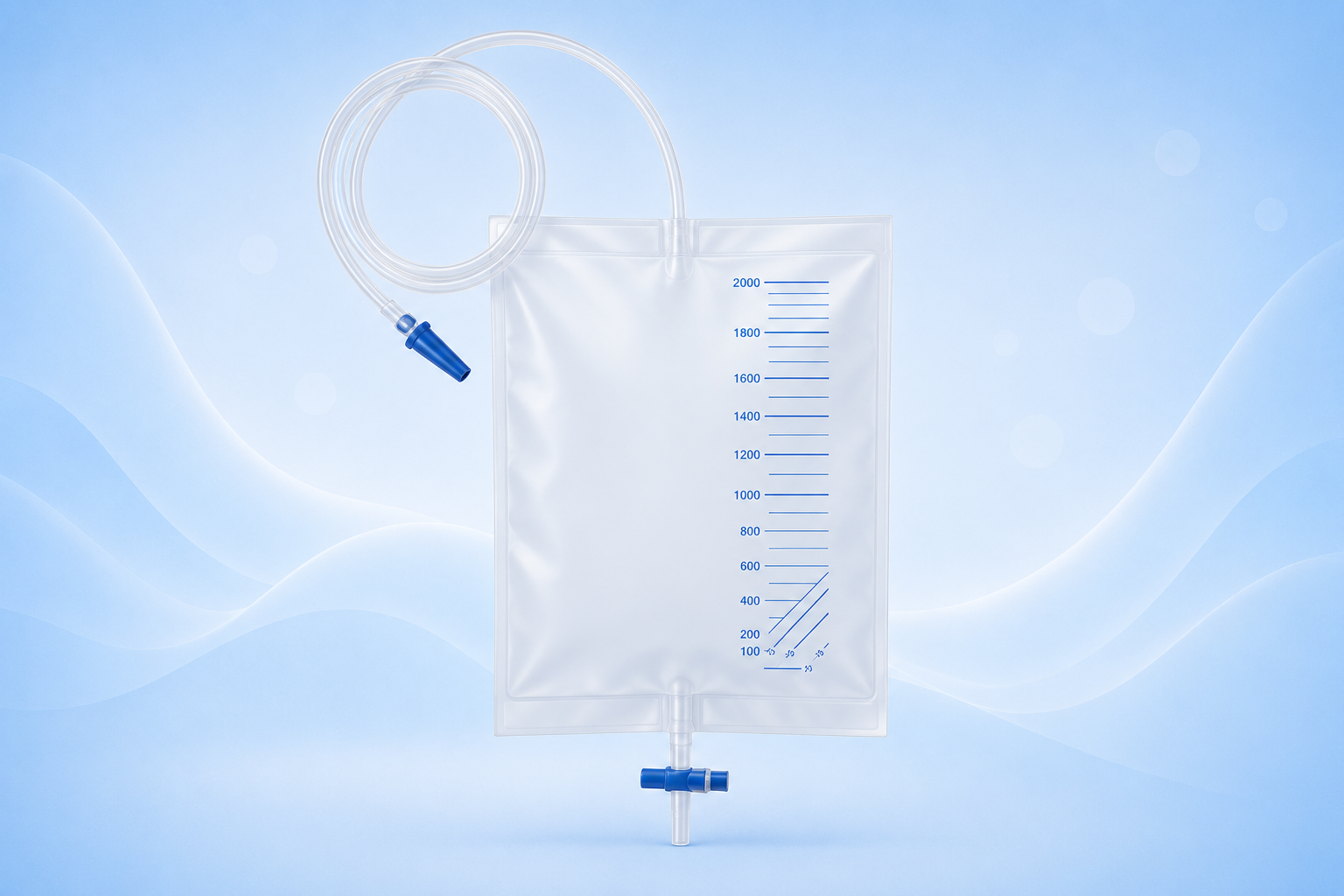
Overnight Urinary Drainage Bag
An overnight drainage bag is a larger-capacity urine collection bag designed to provide continuous drainage while you sleep. It can be used with an indwelling urethral catheter or suprapubic catheter and, depending on the drainage system, may connect directly to the catheter or to the outlet of a leg bag.
Overnight bags generally have a larger capacity and longer tubing than a daytime leg bag, allowing greater freedom of movement in bed and reducing the need to empty the bag during the night.
The bag should be supported on a suitable bedside stand or hanger and positioned below the level of the bladder to allow urine to drain freely. It should not be placed directly on the floor.
Different drainage systems are available, including single-use and reusable options, and your healthcare professional can advise you on the most appropriate system and how it should be cared for.
Good to know: Keep the drainage tubing free from kinks, twists and compression, and make sure the bag remains below bladder level. This helps maintain free drainage and reduces pulling on the catheter.
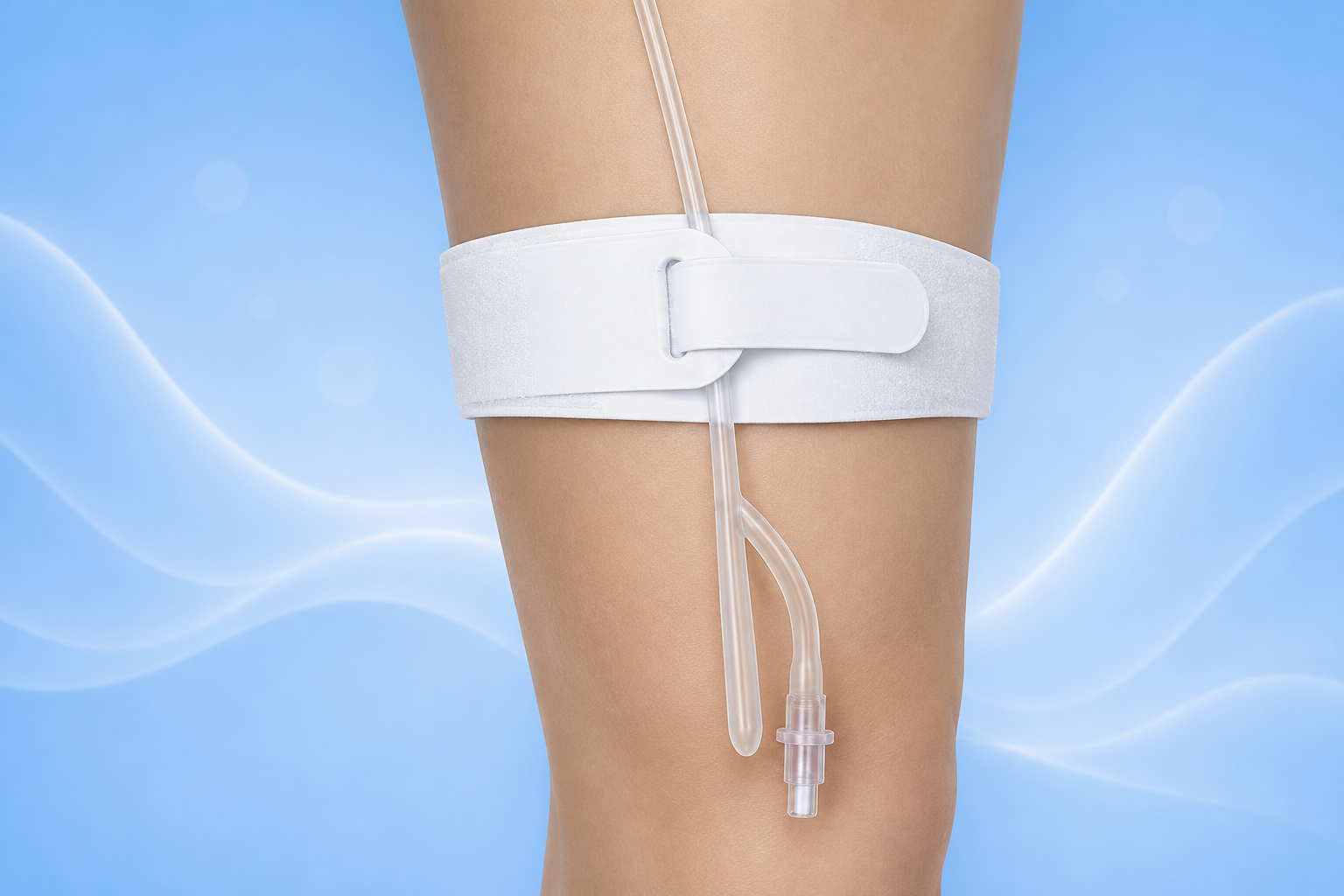
Catheter Leg Strap
A catheter leg strap is a soft, adjustable strap designed to help support and secure catheter tubing against the leg.
The strap wraps around the thigh or upper leg, with the catheter gently held in a designated section of the strap. This helps reduce unnecessary movement, pulling and traction on an indwelling urethral or suprapubic catheter.
Leg straps are generally adjustable and reusable, and different designs are available to suit individual comfort, mobility and catheter positioning.
The strap should be secure enough to provide support without being overly tight or restricting circulation.
Good to know: A catheter leg strap supports the catheter and its tubing. It is different from leg-bag straps, which are primarily designed to support the urine drainage bag.
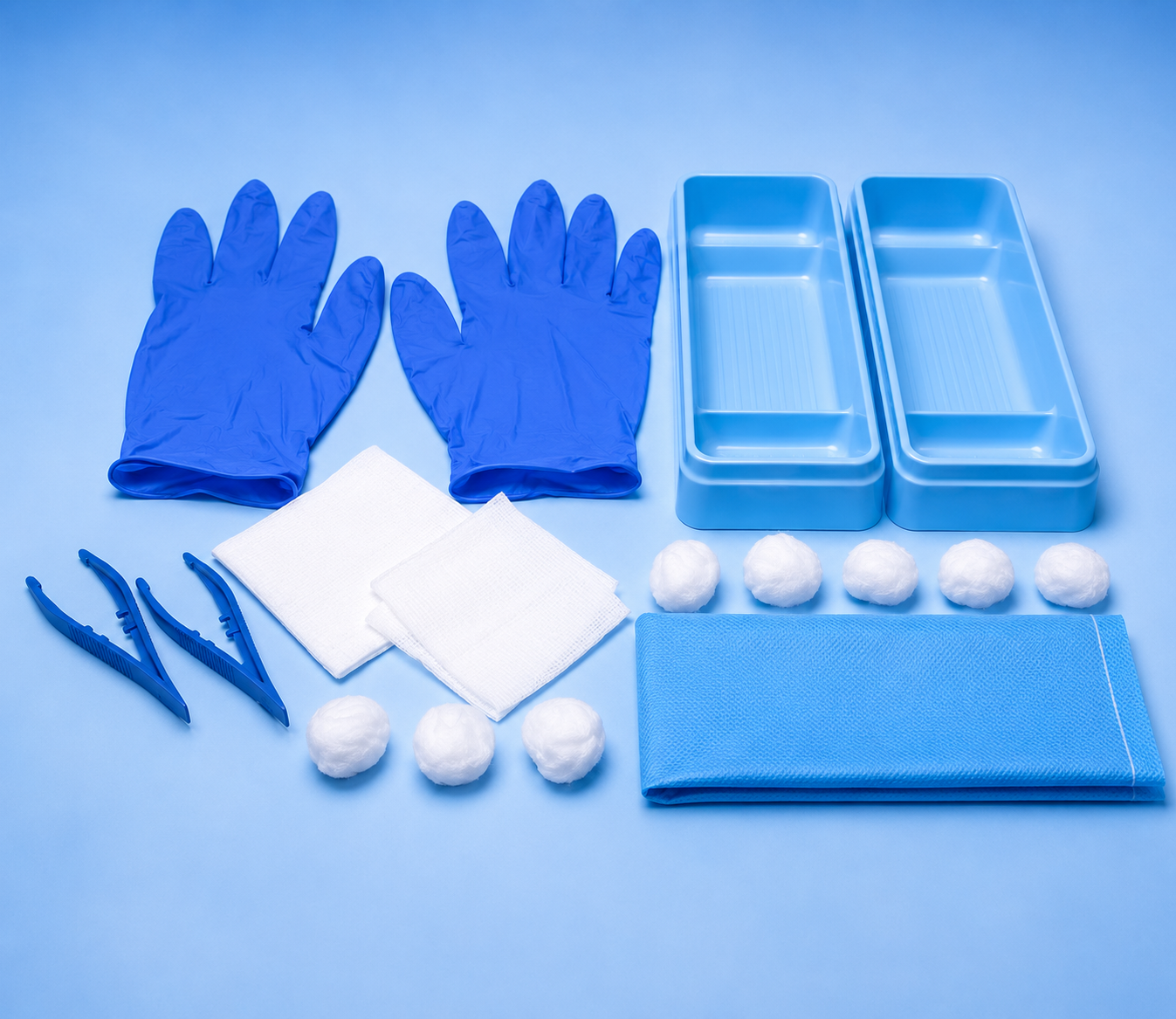
Catheterisation Pack
A catheterisation pack contains a selection of sterile items used to create a clean working area and assist with urinary catheter insertion or catheter changes.
The exact contents can vary, but packs may include items such as a sterile field, gloves, gauze or swabs, forceps, gallipots or trays and other preparation materials.
Using a pre-prepared pack keeps commonly required equipment together and helps healthcare professionals maintain an appropriate aseptic technique during the procedure.
Catheterisation packs generally do not contain every item required for catheterisation. The catheter itself, sterile lubricant or anaesthetic gel, sterile water for balloon inflation and other equipment may be supplied separately depending on the procedure and individual requirements.
Good to know: Different catheterisation packs contain different items. Always check the contents of the pack rather than assuming that everything required for a catheter insertion or change is included.
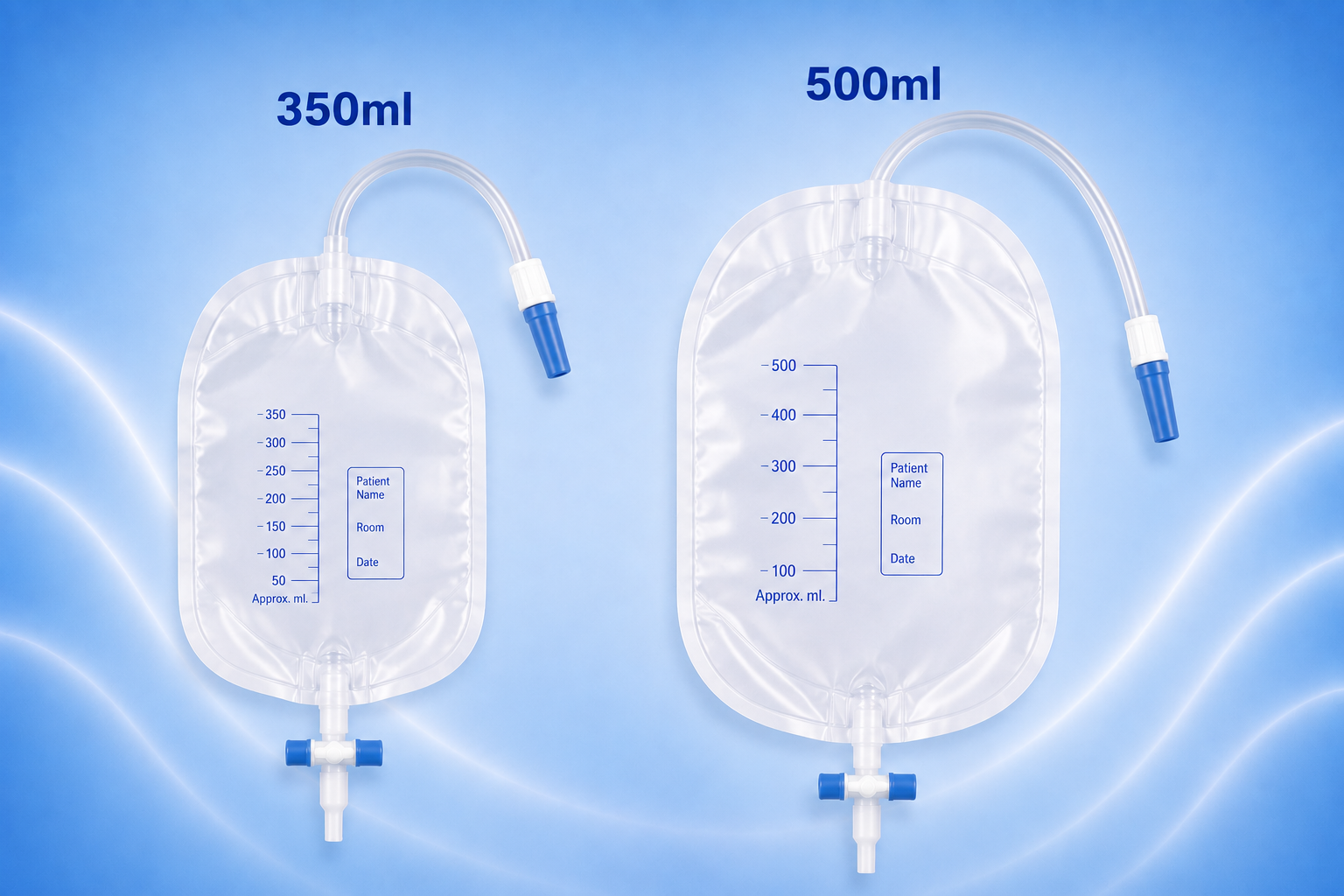
Choosing Your Leg Bag Volume
Leg bags are available in different capacities depending on your urine output, lifestyle and how often you can empty the bag.350 mL – Smaller, lighter and more discreet, but requires more frequent emptying.500 mL – Provides greater capacity while remaining practical for everyday use.750–800 mL – Offers more capacity and longer periods between emptying, although the bag may be heavier and less discreet as it fills. Your leg bag should also never be pulling on your catheter.
How Full Should My Leg Bag Get?
Don't wait until your leg bag is completely full. As a general guide, empty your leg bag when it is approximately half to two-thirds full. This helps prevent the increasing weight of urine from pulling or placing unnecessary traction on the catheter and drainage system. Regular emptying also makes the bag more comfortable to wear and easier to manage
Good to Know: Bigger isn't necessarily better. The aim is to find a capacity that provides enough storage for your individual urine output while remaining comfortable, discreet, well-supported and practical to empty. When ordering, remember to check volume, tubing length AND tap style since bags can look very similar but function quite differently. If you're unsure, a Continence Specialist Nurse can help you select a leg bag suited to your catheter, urine output, mobility, dexterity and everyday routine.